


When you search for Voodoo love spells, you may be looking for several different things: an explanation of a tradition, a meaningful way to express a wish, or reassurance about a relationship that feels uncertain. It helps to name which question is yours before deciding what to do.
You can take spiritual beliefs seriously and still ask careful questions about a promise, an object or a paid service. A useful starting point is to keep cultural learning, your private intentions and another person’s freely expressed choices in view.
“What does this tradition mean?” calls for a different kind of learning from “Should I contact my ex?” The first needs cultural context. The second needs attention to the relationship and the person’s boundaries.
Understand the cultural context before choosing a practice
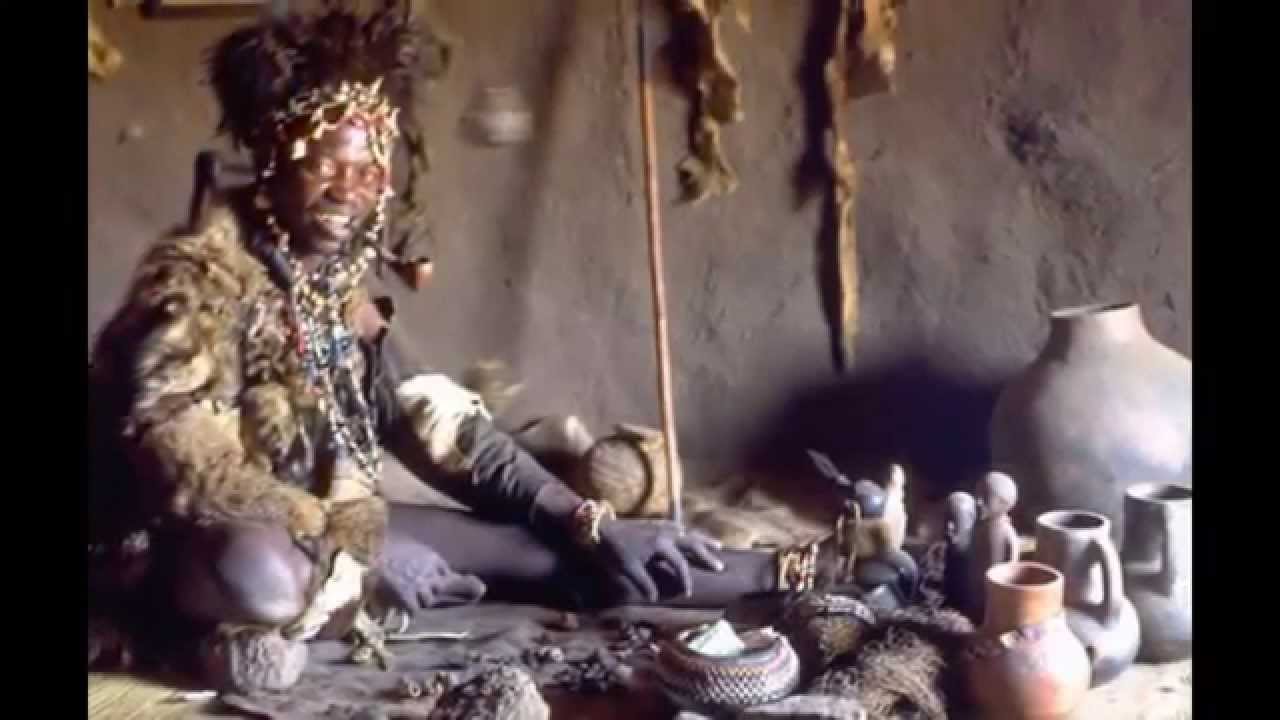
In his Smithsonian account of Vodou, Gerdes Fleurant describes a community religion shaped in Haiti through African traditions and interactions with Indigenous and Catholic traditions. Spiritual life includes ancestors, music, dance and community. Lwa are understood as intermediaries between people and the spiritual world.
The Louisiana State Museum’s Voodoo exhibition explores a regional history in which African religious heritage and Catholic influences met in New Orleans. Its account includes community devotion and the continuing importance of Marie Laveau. These contexts deserve more attention than a single dramatic symbol or a promise in an advertisement.
Names, communities and practices vary. When a source moves between different traditions without explaining them, pause and ask which place, community or teacher it means. You do not need to flatten distinct traditions into one universal recipe to find the subject interesting.
Image source: Moi of Ra on Flickr
Separate a symbol from a promise
A familiar object can invite curiosity, but its appearance does not tell you what every practitioner believes or does. Ask what a symbol means in the particular context being described. Notice whether a source explains that context or jumps straight to claims about controlling someone.
The phrase “love spell” can also cover very different aims. Someone may want to express affection, reflect on a future partnership, reconnect with a willing partner or make an unwilling person return. Those situations need different decisions even when an advertisement uses the same words for all of them.
For example, “I want to show up with more honesty” gives you a behaviour to practise. “This will make Alex leave their partner by Friday” promises an outcome involving people whose choices you do not control. Keeping that distinction clear helps you decide whether an offered practice fits your values.
Four questions worth asking
1. What is the context?
Look for a named tradition, place and person explaining the practice. Be cautious when a generic list of ingredients is presented as a complete account of a religion.
2. Whose choice is involved?
Your wish can be private and meaningful. Another person still gets to choose affection, contact and commitment without pressure.
3. What is actually offered?
Separate an explanation, a reflective activity and a paid service. Ask what you will receive rather than relying on a promised reunion.
4. What can I do next?
Choose an ordinary action within your control: learn more, name a boundary, consider a welcome conversation or give yourself space.
If you are hoping a former partner will return

It is understandable to want a clear answer when you miss someone. Before seeking a ritual, write down what they have actually communicated. Have they invited a conversation, said they are unsure or asked for no contact? Keep those facts separate from a dream, a coincidence or what you hope they feel.
If a conversation is welcome, you can ask one honest question and leave room for an answer you did not want. If they have declined, are unavailable or have blocked contact, respect that boundary. A spiritual feeling does not turn an unwanted message into a welcome one.
The guide to love-spell ethics and consent explores privacy and personal choice in more detail. If you need a practice for accepting an answer, the letting-go guide offers a paper-based reflection focused on your own next step.
A personal reflection you can keep simple
This is an ordinary writing exercise, not a Vodou ceremony or a claim to teach a community’s religious practice. Use it when you want to understand your own intention before making a decision.
- Name the wish. Write one sentence about what you hope for, such as a relationship where affection and honesty are shared.
- Name what you know. Write the actual words or actions that matter to your situation. If you are looking for new love, write what you want to learn about a potential partner.
- Keep a boundary. Decide what you will not do, such as contact someone who asked for space or spend money you had not planned to spend.
- Choose your own action. Pick something you can do without directing another person’s feelings: accept a welcome invitation, express a preference or put a troubling offer aside.
- Close the page. Keep it private and return to your day. You do not need to repeat the exercise until you feel certain.
If you would like a more detailed example, use the free relationship-values planner. It connects qualities such as honesty and consistency with everyday behaviours, without scoring a person or predicting an arrival date.
Free question planner
Choose the question closest to yours. The result explains what to focus on, gives you questions to ask and suggests a practical next step. It does not test spiritual power or predict a romantic outcome. Your selection stays on this page.
Check an offer before spending money or sharing details

Ask for the total price and the currency it is charged in, what is included, whether extra fees can arise, and the cancellation or refund terms. A price written simply as “100” is incomplete: you need to know which currency, what work it covers and whether it is the full amount. This is an example of a question to ask, not a quoted price for a service.
Ask how any names, photographs or messages will be stored and used. Do not share someone else’s private material without permission. You can decline a request that makes you uncomfortable, and you can keep advice from a trusted person in the conversation.
Be cautious about pressure to pay for escalating work because you are said to be cursed, insufficiently healed or responsible for a promised result not happening. A difficult day is not proof of a curse. A claimed spiritual deadline does not require you to buy immediately or keep the decision secret.
A spiritual service also does not make relationship counselling or appropriate health care unnecessary. Keep useful support in place. You can value a spiritual practice while asking whether an individual claim is supported and whether an offer feels acceptable to you.
Keep materials optional and decisions grounded
The writing exercise above needs no flame, oil, body material or buried object. Do not secretly add a mixture to someone’s food or drink, or take personal items as part of an attempt to influence them. You can explore your own hopes without involving another person’s belongings.
If you independently choose a candle, follow its directions and the National Candle Association’s safety guidance. Do not leave a flame unattended or burn a candle all the way down. A battery candle can provide a visual focus without an open flame.
Let curiosity lead to a clearer question rather than a more urgent promise. You may leave with a subject to study, a boundary to respect or a relationship quality to practise. Each gives you something useful to do while leaving another person’s choices their own.
Frequently asked questions
1. Is Vodou simply another name for love spells?
No. The Smithsonian describes Vodou as a community religion with spiritual, artistic and social life. A love-spell advertisement is not a complete account of that religion.
2. Why do I see both Vodou and Voodoo?
Names and spelling depend on the place, community and writer. This guide uses Vodou when discussing the Haitian context and Louisiana Voodoo for the museum’s regional account. Ask which tradition a source actually means.
3. What does lwa mean?
In Gerdes Fleurant’s Smithsonian account of Vodou, lwa are spirits understood as intermediaries between people and the spiritual world. That religious description does not establish a promise about someone’s romantic feelings.
4. Does a doll represent every Voodoo practice?
No single object can explain a living religious community. Ask what a particular object means in its own setting rather than assuming that a familiar movie image describes every practitioner.
5. Can a love spell guarantee that my ex will return?
A promise is not evidence of a future reunion. Your ex’s expressed wishes, existing commitments and boundaries still matter. Do not use a ritual or a paid claim as a reason to disregard a refusal.
6. Is a three-day or thirty-day result a reliable promise?
A stated deadline does not demonstrate that a ritual controls another person’s choices. Ask what is actually being offered, and make your plans without relying on a promised romantic result.
7. Should I use someone’s hair, belongings or private photograph?
Do not take belongings, collect body materials or share private information without permission. You can reflect on your own hopes without involving someone else’s property or personal details.
8. Is the paper exercise here an authentic Vodou ceremony?
No. It is an ordinary personal reflection exercise. It is not presented as a community ceremony, an initiation or a substitute for learning from a named tradition.
9. Can I use a spiritual practice alongside relationship counselling?
You can discuss what spiritual practices mean to you while continuing appropriate support. A claim that a spell makes counselling or health care unnecessary is not a reason to stop that care.
10. Do I need candles, oils or a special purchase?
The reflection here needs only paper and a pen. Optional objects do not prove that a relationship will change. Do not ingest unfamiliar mixtures or secretly give another person a substance as part of a ritual.
11. Does feeling upset afterward mean I have been cursed?
A difficult feeling does not by itself establish a curse or spiritual backlash. Pause the practice, attend to what is happening in your life and seek suitable support if you need it. Do not let fear pressure you into an unwanted purchase.
12. What should I ask before paying for a service?
Ask for the total price, its currency, what work is included, any extra fees, cancellation terms and how your information is handled. Keep the written answer and decline pressure to buy more.
13. Should I contact a former partner after a ritual?
Base contact on what the person has communicated. Respect a request for space, a block or a no-contact boundary. A dream, sign or practitioner’s assurance does not create permission to contact them.
14. Can this guide help if I am looking for new love?
Use the personal reflection to name a relationship quality and one action within your control. The linked soulmate planner offers everyday examples without promising who you will meet or when.
15. Where can I learn more about the cultural background?
Start with the Smithsonian account by Gerdes Fleurant and the Louisiana State Museum’s regional exhibition linked above. Then look for clearly identified community voices that explain the context and limits of what they share.