

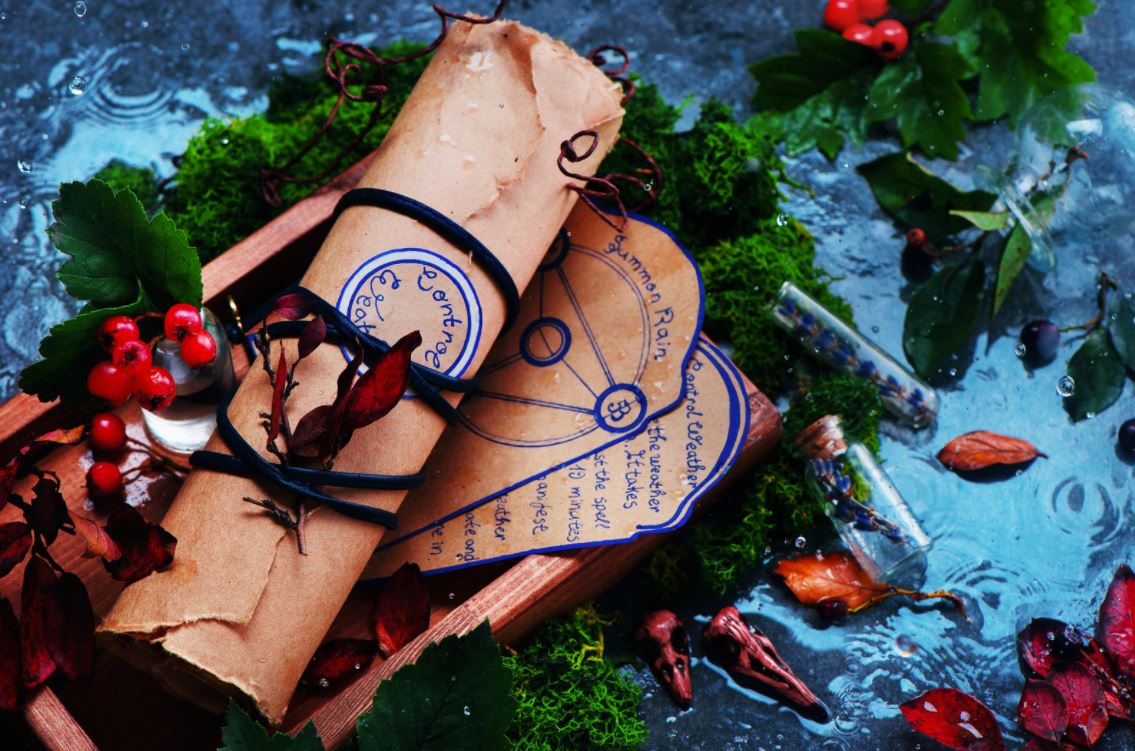
Sometimes the wish behind a spell begins with a feeling: something needs to shift. You may want a clearer boundary, a warmer connection, a fresh start or a moment of care. Giving that wish a few words and a meaningful symbol can make your spiritual practice feel more personal and easier to follow.
If you believe in spellwork, you do not have to measure a practice by how dramatic it looks. A folded note, a quiet phrase or a familiar object may suit your intention better than a complicated arrangement. Begin with what the ritual means to you and the part you can choose in ordinary life.
What does the power of a spell mean?
People understand spellwork through different spiritual traditions and personal beliefs. Some describe it as directing energy, some as asking for spiritual support, and others as working with symbols and intention. Those descriptions are not interchangeable, and one person’s practice does not speak for every tradition.
For your own practice, ask three useful questions: What am I hoping for? What does this symbol mean to me? What can I do next? An answer to those questions gives you more to work with than a claim that one colour, ingredient or phrase is the most powerful.
“I want to speak more clearly about my needs” names something you can practise. “This person must agree with me” asks the ritual to settle a choice that belongs to someone else.
Choose a purpose for your practice
1. Protection and boundaries
A symbol of a boundary can remind you of the limits you want to keep. Pair it with a practical choice about your space, time or contact with others.
2. Love and connection
Focus on freely chosen affection, appreciation or openness to a relationship. Another person’s feelings remain their own.
3. Prosperity and opportunity
Explore what security, resources or meaningful work look like to you. Turn the wish into a task you can assess, rather than a promised sum of money.
4. Comfort and care
Give yourself a quiet moment to name what you need. A personal ritual can hold meaning while appropriate health care and ordinary support remain in place.
5. Release and endings
Mark a habit, expectation or reminder you want to step back from. A folded note can be enough; nothing needs to be burned or left outdoors.
6. Good fortune and new beginnings
Use a symbol of possibility as a reminder to prepare, learn or notice an opportunity. It does not establish what will happen next.
These purposes can overlap. A practice for a new beginning might also involve releasing an old expectation. Choose one main focus so the activity remains understandable. If you are new to this, the beginner’s witchcraft guide offers a simple starting point.
A paper-based spell practice you can adapt
- Name your purpose. Write a short phrase such as “more patient communication” or “a fresh start with this project.”
- Give it your own words. Write one sentence about how you want to take part. Avoid making a promise on someone else’s behalf.
- Choose a symbol. Draw a leaf, heart, doorway or another image that means something to you. An ordinary object you already own is optional.
- Spend a quiet moment with it. Read the sentence silently or aloud. You can pause without trying to create a special sensation.
- Name your next action. Add one thing you can do outside the ritual, such as preparing a question, making a plan or honouring a boundary.
- Close the practice. Fold the page, keep it privately or recycle it when you no longer want it. Return to your day and take the action when appropriate.
The words do not need to sound ceremonial. You might write, “May I notice what matters, act with care and leave room for an honest answer.” Change that sentence until it fits your intention and beliefs.
Protection, binding and banishing: keep the choices clear
In some forms of spellwork, protection marks a boundary, binding represents restraint and banishing marks removal or an ending. Rather than asking a ritual to control a person, centre your practice on what you can choose: the contact you accept, the time you offer or the reminder you put away.
For example, a doorway drawing can stand for “I can decide when I am available.” A folded release note can stand for “I am putting this expectation down for tonight.” If there is an actual threat or harassment, a symbol is not a physical safeguard. Seek practical support from people or services able to help with the situation.
Love, prosperity and comfort in everyday life
For love: Write a quality you hope to share, then describe an ordinary action that expresses it. Patience might mean listening through a conversation you both agree to have. The love ritual guide and free planner explores new love, an existing relationship and heartbreak in more detail.
For prosperity: A growth symbol can remind you to notice a skill or resource you already have. Pair it with a practical task, such as preparing an application or looking at a spending choice. If ritual supplies are becoming expensive, use the free witchcraft spending planner before buying more. A ritual is not an income forecast or a way to obtain winning lottery numbers.
For comfort: Write a kind sentence and name a form of support you would welcome. Some people call this a healing intention, but a spiritual practice does not diagnose or treat an illness. The NCCIH’s consumer guidance encourages checking evidence about health approaches and discussing care decisions with a health professional.
Free intention-to-action planner
Choose a focus and the time you want to set aside. The planner offers a written intention, a simple paper-based practice and a practical next step. Five or ten minutes describes time for the activity, not a forecast, a required waiting period or a measure of spiritual strength.
Keep materials simple
Paper and a pen are enough for every planner suggestion here. If colour matters to your symbolism, the candle colour guide and free suggestion tool can help you explore associations. You can use coloured paper or a drawing instead of a flame.
If you do choose a real candle, use it according to its label in a suitable holder, keep it attended and put it out before leaving. The National Candle Association’s guidance explains safe placement, handling and extinguishing. Do not tie lit candles together, heat a knife, warm a sealed jar or add herbs and oils to a burning candle.
You do not need bath mixtures, drinks, sharp objects or buried glass for the practices in this guide. Keep ritual materials separate from food and out of drains and waterways. The guide to disposing of spell materials offers ways to keep the meaning without leaving objects outdoors.
Timing, signs and what happens afterwards
A Moon phase or a weekday can be part of your personal symbolism. It does not have to become a rule you are afraid to break. Choose a time when you can finish without rushing, and do not continue a candle burn or repeat a practice to prove your commitment.
Afterwards, record the intention, what you actually did and anything you want to think about later. Keep later events separate from your interpretation of them. You might notice that you followed through on a task, understood a feeling differently or decided that a practice was not for you.
If nothing changes, you have not failed a test of belief. You can adjust the next action, seek appropriate help or stop the ritual. A meaningful spiritual practice should leave room for choice, uncertainty and ordinary life.
Questions about the power of spells
1. What is a spell?
A spell is a ritual organised around an intention. Depending on the practitioner, it may include spoken words, a written note, a symbol or spiritual beliefs about energy and connection. There is no single method that every tradition follows.
2. What makes a spell powerful?
Practitioners use that word in different ways. A clear intention, a meaningful symbol and a practice you can use thoughtfully are more helpful starting points than claims about the strongest ingredients. A ritual cannot guarantee a particular event or another person’s behaviour.
3. Do beginners need special ingredients?
No. The paper-based practice in this guide needs only a note and something to write with. A meaningful object is optional. You do not need to buy a kit or collect a long list of supplies before exploring your intention.
4. Can I practise without candles or smoke?
Yes. Use a written intention, a drawing, a familiar object or a flameless light. Spoken words and quiet reflection are also options. Fire and smoke are not requirements for the practices on this page.
5. How are protection and banishing spells different?
Some practitioners use protection symbolism to mark a boundary and banishing symbolism to mark an ending. You can pair either with a real choice, such as keeping a limit or putting away a reminder. Neither establishes physical protection or control over someone else.
6. Can I do a protection ritual for someone else?
You can offer a kind wish or a private moment of care. Ask before involving someone in a ritual or placing objects in their space. Practical support, such as checking what help they would welcome, matters more than assuming a ritual keeps them safe.
7. Can a love spell make someone choose me?
A ritual cannot establish someone’s feelings or consent. Focus on qualities you want to bring to a relationship and leave room for a freely given response. Respect a no, a request for space or no reply.
8. Do money spells produce guaranteed income?
No. You can use prosperity symbolism to reflect on what security or opportunity means to you. Pair it with an ordinary action you can assess, such as reviewing a spending plan or preparing for an application. Do not treat a ritual as an income or lottery prediction.
9. Can a healing spell treat an illness?
A spiritual comfort practice is not a treatment for an illness or a substitute for health care. If you have symptoms or questions about treatment, speak with a qualified health professional. You can keep a meaningful personal ritual alongside appropriate care.
10. Should I use herbs, oils or bath mixtures?
They are not needed for this guide. Natural ingredients are not automatically suitable for skin, baths, drinks or burning. Choose a drawing or written symbol instead of experimenting with an unfamiliar mixture.
11. Must a candle burn all the way down?
No. Follow the candle’s instructions and put it out before leaving the room or sleeping. Do not tie burning candles together, add dried ingredients to a flame or heat a jar as part of a ritual.
12. Do Moon phases or weekdays determine the result?
Some practitioners choose a phase or day for its symbolism. You may use a convenient time instead. A calendar association does not create a deadline for a relationship, payment or other event.
13. What does the planner’s time mean?
Five or ten minutes is suggested time for the activity itself. It is not a waiting period, a measure of spiritual strength or a forecast. You can shorten the practice or stop when it feels complete.
14. What if I feel distracted or nothing changes?
You can pause, simplify the practice or leave the question open. Distraction and disappointment do not prove that you lack belief or deserve a poor outcome. Review what you actually chose to do rather than searching for a reason to blame yourself.
15. What should I do after a spell?
Put away the materials, take the ordinary next step you chose and return to your day. Later, note what actually happened separately from what you hoped or interpreted. Keep, adapt or stop the practice according to whether it remains useful to you.