

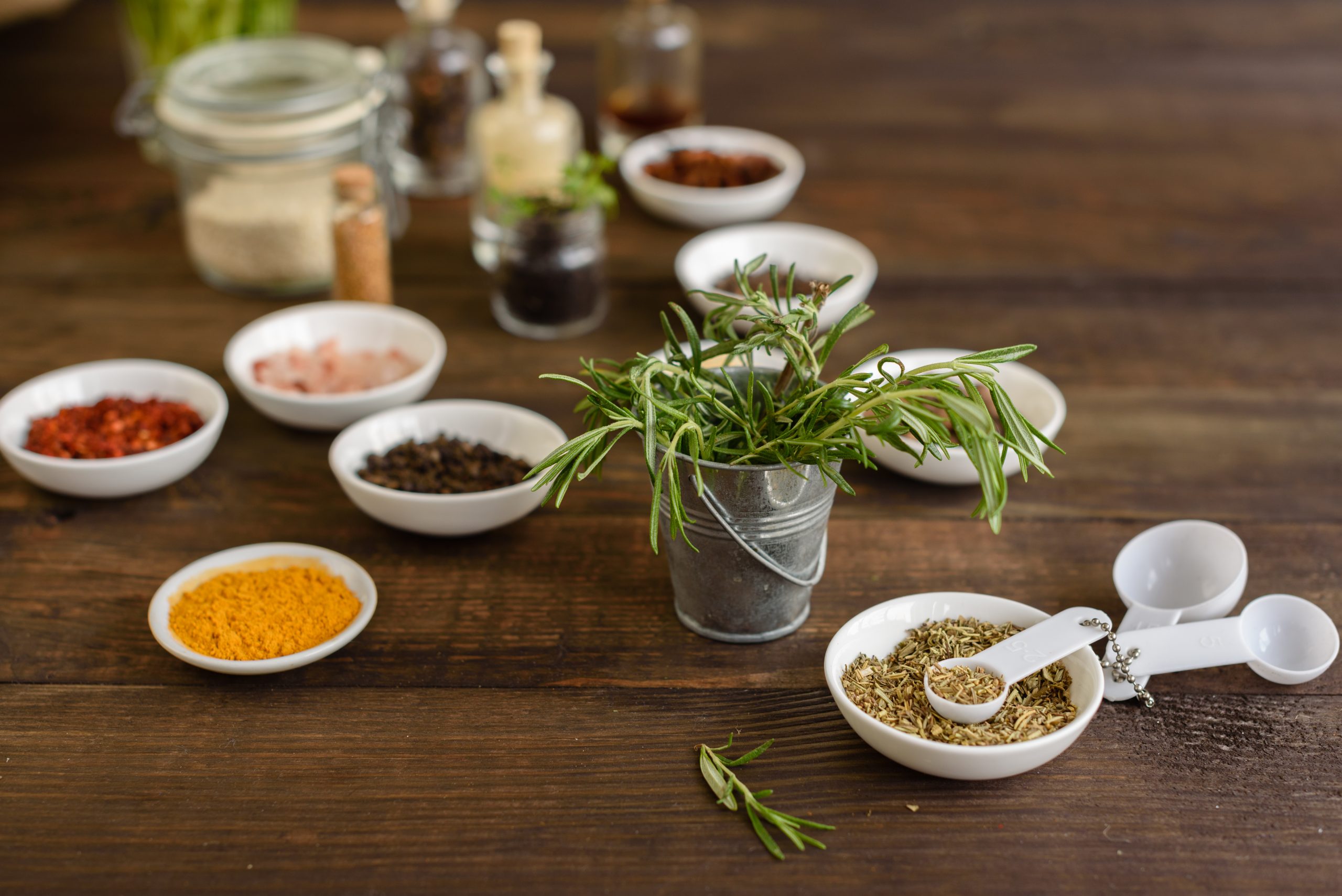
A leaf tucked into a notebook, a rose drawn beside a wish, a plant name that reminds you of someone you love: herb symbolism can begin with a small, personal association. You do not need an overflowing cupboard or a complicated recipe to make room for that kind of practice.
This guide explores twelve plant symbols through love, renewal and boundaries. Use their names or pictures to reflect on what matters to you, then connect the intention with an action you can actually choose. Every practice can be followed with paper and a pen.
What a magical herb association can mean
A correspondence is an association: a plant may be linked with affection, remembrance, cleansing or another idea in a particular spiritual practice. Meanings can vary between communities, books and individual experiences. A familiar scent might bring one person comfort and remind another person of something quite different.
Begin with a meaning you understand. If a rose suggests kindness to you, ask what kindness would look like today. If a leaf represents a new beginning, decide what you are beginning. The symbol gives your attention a place to rest; it does not make another person choose a relationship or promise that an event will happen.
Love, healing and protection: make the intention specific
Love might mean listening, enjoying your own company, appreciating a friend or making room for mutual affection. It does not require directing a ritual at someone who has declined a relationship.
Healing can be a spiritual word for renewal after a difficult experience. In this guide, it means making room for reflection and support. It is not a claim that a herb treats depression, pain, fertility concerns or another health condition.
Protection can describe an intention to care for your time, privacy or boundaries. Pair the symbol with an actual choice, such as declining an unwanted request. Do not rely on a plant to prevent illness, violence, accidents or another person’s behaviour.
Twelve plant symbols and practical prompts
The following pairings offer starting points for your own notebook practice. You may choose a different meaning that fits your experience. Use a drawing or the written name rather than collecting an unfamiliar plant.
Rose
Love and connection: Affection with room for choice
Draw a rose beside one quality you value in a relationship. Let the image remind you of the way you want to give and receive affection.
One action: Ask yourself what that quality looks like in ordinary behaviour, such as keeping a promise or listening without interruption.
Basil
Love and connection: Warmth in everyday connection
Use a basil-leaf drawing as a reminder of the small, repeated acts that make a shared space welcoming.
One action: Choose a kind action that is welcome, such as offering help with a task or asking how someone would like to spend time together.
Lavender
Love and connection: A little room to listen
Let a lavender sketch mark a pause before a conversation. Its meaning here is your intention to slow down, without a claim about a scent or treatment.
One action: Write one open question, then leave room to hear the other person’s answer instead of planning it for them.
Hibiscus
Love and connection: Enjoyment without pressure
Choose a flower image to represent delight, colour or playfulness in your own life. It need not be aimed at a particular person.
One action: Plan something you enjoy, or suggest a simple shared activity if both people want to take part.
Rosemary
Renewal and reflection: Remembering what matters
A rosemary drawing can stand for remembering a value or a lesson you want to carry forward. This is a personal symbol, not a memory remedy.
One action: Write one thing you learned and one way you would like to act differently next time.
Mint
Renewal and reflection: Making a fresh start
Let a mint-leaf sketch represent a fresh page. You can begin again without declaring that everything in the past was a mistake.
One action: Choose a small task you can finish today, such as clearing a notebook page or making time for a neglected interest.
Chamomile
Renewal and reflection: A gentler pace
Use a small flower drawing to mark an unhurried moment. You do not need tea, oil or a special sensation for the symbol to be useful.
One action: Choose an ordinary pause that suits you: read, sit somewhere comfortable or put a demanding task aside until an agreed time.
Lemon balm
Renewal and reflection: Making room for yourself
Let a leaf image remind you that your day can hold more than one concern. An unresolved relationship does not have to fill every available space.
One action: Arrange one activity or conversation that is about your own interests, rather than checking for an answer from someone else.
Sage
Boundaries and care: Naming what you want to leave behind
A written plant name can stand for a boundary around a habit or expectation. You do not need smoke or a cleansing product to mark that decision.
One action: Name the behaviour you want to stop and a practical replacement, such as closing a social app and returning to a planned task.
Bay leaf
Boundaries and care: Giving an intention a clear shape
Draw a leaf outline and write a short intention inside it. Keep the paper as a reminder of a choice you can make.
One action: Turn a broad wish into a specific limit: what will you agree to, decline or ask about? There is no need to burn the page.
Thyme
Boundaries and care: Taking time to answer
Let a thyme sketch represent the space between a request and your response. You are allowed to consider what you can comfortably offer.
One action: Practise a sentence such as: Let me think about that and get back to you. Then choose a realistic time to respond.
Calendula
Boundaries and care: Protecting something worth caring for
A bright flower image can remind you of a friendship, interest or routine you want to make room for. The image itself does not provide physical protection.
One action: Choose one practical way to support that part of your life, such as reserving time for a friend or keeping an important appointment.
A simple four-step notebook practice
- Choose one intention. Write a sentence about what you want to practise, such as speaking honestly or making room for a fresh start.
- Choose one symbol. Draw a leaf or flower, or write a plant name. Add a word explaining what it means to you.
- Choose one ordinary action. Keep it within your own control and respectful of other people’s choices.
- Close the practice. Put the page away and return to your day. You can reflect later on the action you took, without treating every coincidence as a result.
For example, you might draw rosemary beside the word remember, then write, “I want to remember that I can ask for time before agreeing.” The useful change is the boundary you practise, not a claim that the drawing controls what happens.
Before you use an actual plant or herbal product
Keep a symbolic reference separate from decisions about your body. The National Center for Complementary and Integrative Health explains that supplements can interact with medicines or pose risks in some circumstances. Products may also differ from the preparations studied. A familiar name, a natural origin or a spiritual label is not enough to judge a specific use.
Common names can be ambiguous. Do not assume that two names refer to the same plant, or that different species and plant parts are interchangeable. Ask for qualified identification and appropriate product information instead of guessing from a correspondence list.
The Poison Control plant reference identifies poisonous plants including deadly nightshade, poison hemlock, monkshood and pennyroyal. Some plants can also harm skin. Keep unknown materials away from children, and do not experiment with plants because they appear in a magical reference. The paper practices above require none of them.
If an exposure has happened, contact a poison service promptly for advice about that specific case. In the United States, call Poison Control at 1-800-222-1222; elsewhere, contact your local poison service. For an immediate life-threatening emergency, contact emergency services.
Keep a personal record without turning it into a promise
Beside the symbol, write the date, the meaning you chose and the action you planned. Later, note what you actually did and how you would change the practice. “I asked for a pause before answering” gives you something concrete to reflect on. “Every delay means the universe is testing me” can leave the intention impossible to question.
If you are learning within a particular tradition, follow that community’s guidance about its practices and meanings. You can also keep a simple personal notebook without claiming that your own associations are universal or ancient.
For help shaping a practice in your own words, see how to write a personal spell. The guide to consent and free will helps keep relationship intentions respectful. If you already have ritual materials to put away, the materials disposal guide addresses that separate task.
Frequently asked questions
1. What is a magical herb correspondence?
It is an association between a plant and an intention, symbol or spiritual idea. Associations vary between traditions and people. A correspondence does not establish a medical effect or guarantee a result.
2. Do I need actual herbs for the practices in this guide?
No. Use a drawing, a printed image or a plant name written on paper. Each prompt is a way to explore an intention and choose an ordinary action; nothing needs to be eaten, burned or applied to your skin.
3. Which herb symbol should I choose for love?
Choose an image that helps you name the quality you want to practise, such as affection, listening or shared enjoyment. The love cards offer examples. A symbol cannot supply another person’s consent or determine whom they love.
4. What does healing mean in this article?
Here it refers to personal reflection, renewal or making room for support after a difficult experience. It is not a claim that a plant treats an illness, changes a diagnosis or replaces care from a qualified professional.
5. Can a protection herb keep me physically safe?
Do not rely on a plant or symbol to prevent illness, violence, accidents or someone else’s actions. You may use an image to remind yourself of a boundary while taking practical steps appropriate to the situation.
6. Can I identify a plant from this list or its common name?
No. These names are prompts for symbolic reflection, not an identification key. Similar common names can refer to different plants. Use qualified identification and appropriate product information before handling or using an actual plant.
7. Is a plant safe because it is natural or sold for rituals?
No. Natural origin and ritual marketing do not establish safety. Some plants are poisonous, and products can have different ingredients or concentrations. Do not turn a symbolic reference into a recipe or dose.
8. Can I use these entries to make tea, oil, incense or a bath?
This guide does not provide preparation or safety instructions for those uses. A plant’s name or symbolic meaning is not enough to judge them. Use the paper practices here, and seek qualified advice for a specific product or health question.
9. What if someone has eaten an unknown or poisonous plant?
Contact a poison centre promptly for case-specific advice instead of guessing from a magical herb list. In the United States, Poison Control is available at 1-800-222-1222. Elsewhere, use your local poison service; contact emergency services for an immediate life-threatening situation.
10. What do the numbers in the free filter mean?
They count the reference cards currently shown out of the twelve cards in this guide. They do not measure plant safety, magical strength, compatibility or a chance of success. Reset shows the complete list again.