

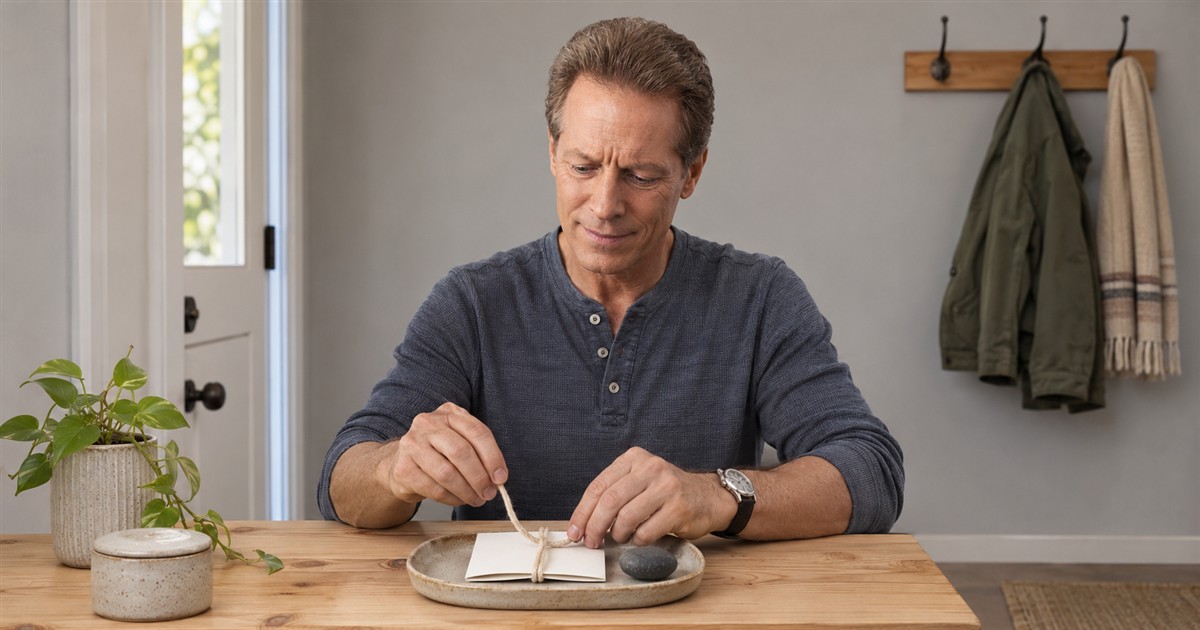
In protective binding work, a knot can symbolize a limit: what you will no longer carry, allow or repeatedly return to. The most useful place to begin is with your own boundary and the practical steps that support it.
This guide uses a private paper-and-cord ritual. It does not bind a person, restrain a body or ask for injury. If you believe in protective magic, you can dedicate the ritual to steadiness and protection while responding to real-world concerns directly.
Protection, control and relationship binding
A protective boundary
“I will not answer insulting late-night messages.” The spell supports your own decision about access and response.
An attempt to control
“They must never leave or speak to anyone else.” That demand gives another person no room to choose.
A mutual commitment
Two willing adults may use a shared symbol for an agreement they have freely made. Either person can revisit or end it.
An urgent safety concern
Threats, stalking or violence need practical support and a safety response. A knot is not evidence that the danger has ended.
Write the boundary before tying anything
Describe a behavior you can recognize: repeated insults, unwanted messages or pressure to share private information. Choose an action within your control rather than promising to change someone else’s character.
For example: “When a conversation turns insulting, I will end it and decide later whether to return.” Your safest response depends on the situation; you do not have to announce a boundary if doing so may increase danger. The National Domestic Violence Hotline’s safety-planning guide can help with concerns involving abuse.
A paper-and-cord protective binding ritual
- Set out three simple items. Use a small piece of paper, a pen and a short cotton cord. Keep cords and small objects away from children and pets.
- Name your intention. Write the limit in your own words. Avoid private information about someone else or a demand for punishment.
- Fold the paper. Place the words inside the fold as a symbol of keeping your decision clear and contained.
- Loop the cord around the paper. Tie one loose, easily opened knot. Do not tie anything to a body, animal, doorway or shared property.
- Speak the boundary. Try: “I keep my time and attention with care. May this boundary support wise and steady choices.”
- Close and act. Put the note somewhere private and carry out the practical step you selected. Do not wait for a sign before seeking help.
- Review and release. When the boundary changes, untie the cord and recycle suitable paper or dispose of it privately. Nothing needs burial, burning or disposal in water.
What to do if the worry is “someone sent magic”
An uncomfortable feeling or a run of bad luck does not identify a spellcaster or prove a curse. You may choose a personal blessing without accusing a neighbor, confronting an ex or paying someone to retaliate. Record the actual events and address ordinary explanations where possible.
Avoid practitioners who promise guaranteed protection or threaten consequences if you stop paying. Keep your attention on support, sleep, surroundings, access and the specific problem you can describe. If fear keeps growing, speak with a trusted person or appropriate professional.
Choose the right next guide
For a shared romantic intention, see relationship binding and willing participation. For the wider principles behind this practice, read love spell ethics. The materials-disposal guide covers respectful endings without leaving cords or objects outdoors.
Questions about this practice
1. What is a protective binding spell?
Practitioners use binding symbolism to contain an unwanted influence or reinforce a boundary. This guide keeps the focus on your own choices and actions.
2. Is it the same as a love binding?
No. A protective boundary concerns access and conduct. A shared relationship symbol concerns an agreement between willing people.
3. Does tying a knot control someone?
A knot does not establish control over another person. Treat it as your ritual symbol rather than proof of their future behavior.
4. Can I bind someone who rejected me?
Do not use rejection as a reason to pressure or restrict someone. Choose a private release or self-support practice instead.
5. Do I need a photograph?
No. A written boundary is enough, and you do not need another person’s photo, hair or belongings.
6. Can I use paper without cord?
Yes. Fold the paper and close the practice with words or a simple gesture.
7. Should the knot be tight?
An easily opened knot is sufficient. Do not attach the cord to a person, pet, exit or shared object.
8. Can I cast for a friend?
Ask what support they want before involving them or their possessions. You can privately wish them well without making decisions for them.
9. Will this stop stalking?
Do not rely on a ritual to stop stalking or threats. Seek practical safety support and emergency help when needed.
10. Must I tell the other person?
No. A private ritual does not require an announcement. Consider whether discussing a boundary is safe in your circumstances.
11. What if I think I am cursed?
An upsetting event does not identify a curse or a person responsible. Address concrete concerns and avoid accusations or retaliatory rituals.
12. Can the ritual be done indoors?
Yes. It needs no flame, smoke or outdoor materials. Choose a private, comfortable place.
13. How do I end the binding?
Untie the cord, state that the practice is complete and dispose of or reuse suitable materials. Update the actual boundary separately.
14. How often should I repeat it?
Review it when the situation changes. Repetition is optional and should not become a requirement for feeling safe.
15. How can I tell whether my boundary is useful?
Look at whether it is clear, realistic and supported by actions and help. Do not judge safety from the appearance of the knot.