

A heart on a note, a favourite flower or a ring chosen together can say something that is hard to fit into an ordinary sentence. Love symbols work best when their meaning is shared. The same image may feel romantic to one person, friendly to another and connected to a particular tradition for someone else.
Here are eleven familiar images, the stories worth treating carefully and practical ways to make a symbol personal. Use the free message planner below when you know what you want to express but are still looking for the words.
Start with the message
Ask yourself: “Am I expressing affection, appreciation, commitment or a memory?” Choose the symbol after you know what you want to say. A short note makes the meaning clearer than expecting someone to decode a gift.
1. Cupid: the surprise of attraction
Cupid’s bow and arrows offer a familiar image of being struck by attraction. In the Metropolitan Museum of Art’s account of Renaissance courtship objects, Cupid and the arrow-pierced heart appear in gifts and marriage imagery. Those objects show how artists gave desire a visible form.
You might choose Cupid for a playful card to someone who welcomes that tone. Add words that make your own meaning clear: “You still make me smile.” Attraction can begin a conversation; the other person’s response tells you whether it is shared.
2. Diamonds: a commitment people choose
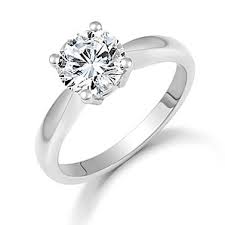
A diamond ring can stand for a promise, an anniversary or a shared milestone. Its meaning comes from the people making that promise. A stone’s size, price or sparkle cannot measure how well someone loves you.
If you are choosing jewellery together, discuss style, comfort and an affordable budget before buying. A plain ring, a different stone or another keepsake may suit you better. Let the object reflect an agreement you have actually made.
3. The heart shape: affection in a small space
A heart can carry a quick message on a note, a drawing or a piece of jewellery. It is adaptable: the same shape might express romance, friendship, family love or thanks, depending on your words and relationship.
Historical meaning also depends on context. The Met’s courtship essay describes hearts pierced by arrows on Renaissance objects, where words and imagery worked together. For your own message, write what you mean beside the shape: “I appreciate you,” “I miss our walks,” or “I love the life we are building.”
4. Tulips: attention to someone’s preferences
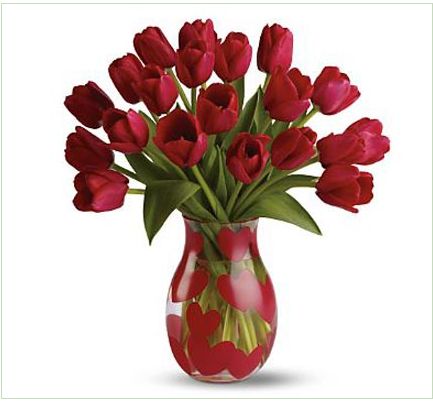
A tulip can be a bright, uncomplicated way to say that you were thinking of someone. It may matter most because it is their favourite flower or reminds you of a place you visited together.
Choose a colour they enjoy and attach a personal sentence. “These reminded me of our spring afternoon” gives the flowers a shared meaning. You do not need a fixed anniversary rule or a legend to make the gift thoughtful.
5. Roses: romance, friendship and a message of your own
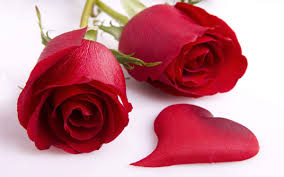
Roses have a rich place in love imagery. The Met’s collection of historic floral valentines shows flowers carrying messages in cards, puzzles and keepsakes. It also includes a rose-shaped friendship souvenir, a useful reminder that floral affection can extend beyond romance.
Colour guides vary, so treat them as inspiration rather than a code everyone knows. If you want a bouquet to say “thank you” instead of “I want a relationship,” put that in the note. A familiar favourite and a clear sentence can say more than an elaborate arrangement.
6. Doves: companionship as a symbol
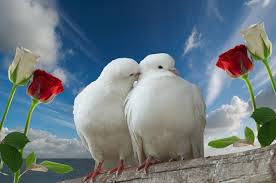
Two doves can suggest togetherness, tenderness or peace in a card or personal drawing. Enjoy that symbolism without turning it into a rule about every bird’s lifetime or every human relationship.
The Cornell Lab of Ornithology’s courtship guide describes different kinds of bird partnerships and the mutual preening seen in Mourning Doves. For a personal message, a pair of birds might mean “I enjoy sharing everyday life with you.”
7. Maple leaves: a shared season or place

A leaf can hold a memory that matters to two people: a walk, a neighbourhood, a trip or a season when you grew closer. Its personal meaning does not need to represent an entire country or culture.
Try drawing the shape on a note and naming the memory. “I loved getting lost in those autumn streets with you” is a complete expression of affection. If you keep a natural memento, choose one you are allowed to collect and store it where it will stay dry.
8. The Claddagh: a love token with Galway roots
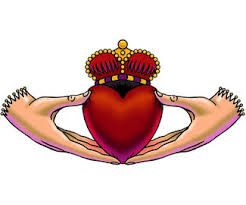
The Claddagh design brings together two hands, a heart and a crown. Galway City Museum’s Richard Joyce ring, dated to around 1700, provides a specific historic example of this Galway love token.
Joyce’s life also carries a romantic story, but the museum distinguishes the largely unproven capture-and-return narrative from the surviving ring. When giving a Claddagh, share the history you know and ask what the design means to the recipient. Ring orientation and personal customs are worth discussing rather than treating as a way to read someone’s private relationship status.
9. Apples: affection in an everyday gesture
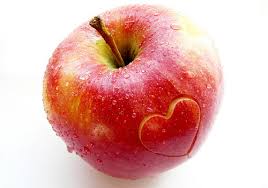
An apple might remind you of an orchard visit, a favourite dessert or an ordinary moment of being cared for. You can use that association in your own message without assigning one universal meaning to the fruit.
A small drawing with “Let’s make that recipe together again” turns a symbol into an invitation. Think about the person’s preferences, then choose a gesture they would actually enjoy. The memory and the attention are what make it personal.
10. Knots and interlaced loops: connection and continuity
Interlaced lines can give you a way to picture lives that meet, shared memories or a continuing commitment. An unbroken loop can also suggest continuity. These are meanings you may choose for a card or keepsake; different knot designs and cultural traditions have their own contexts.
If a piece is described as Celtic, learn about that particular design and maker before repeating a story about its ancient meaning. A modern decorative knot can still be meaningful without a claim that every historic pattern encoded the same message.
For a personal note, try: “Our lives have changed, and I value the connection we keep choosing.” A symbol of connection can leave both people room to grow.
11. Kokopelli: learn the cultural context first
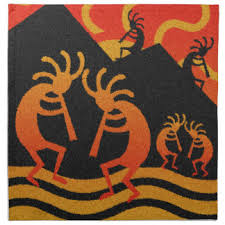
Specific cultural figures deserve more care than a universal list of romantic icons can give them. The National Museum of the American Indian’s record of a Kokopelli carving names Hopi Pueblo artist Willard Sakiestewa, Sr., and dates that object to 1965. A named artist, community and object give you a place to begin learning.
Explore Hopi sources and the particular maker’s context before choosing such a figure as a gift or explaining its meaning to someone else. For a personal romantic message, a heart, a favourite flower or a shared-memory drawing may express what you want to say more clearly. You can appreciate art while continuing to learn where it comes from.
Choose a symbol and find your words
This free planner offers one possible symbol, explains its suggested meaning and gives you wording to adapt. It does not interpret another person’s feelings or assign a relationship score. Choose the message that fits what you genuinely want to say.
Your message idea will appear here after you choose a focus.
Let a symbol lead to a real conversation
A thoughtful gesture can open a conversation about what you appreciate or hope to share. It can also be quiet and ordinary: a drawing tucked into a lunch bag, a card after a difficult week or a memory you put into words. Choose a form of contact the other person welcomes.
For ideas beyond a gift, explore our guide to a shared relationship intention. If you enjoy a spiritual practice, the white magic intention-card guide connects personal symbolism with considerate actions. Our guide to consent and boundaries can help when a hopeful interpretation is running ahead of what someone has actually said.
You can find meaning in a symbol and still leave space for the other person’s experience. The most useful question is often simple: “What does this mean to you?”
Frequently asked questions
1. Which symbol is best for love?
Choose one that fits your relationship and the message you want to share. A heart is easy to adapt, a favourite flower shows attention and a shared-memory image can be deeply personal. Add a sentence so the recipient does not have to guess.
2. Does a heart always mean romantic interest?
No. People use hearts for friendship, family affection, encouragement and thanks as well as romance. The words, setting and relationship help establish the meaning. Ask if you are unsure.
3. Do flower colours have fixed meanings?
Colour associations vary across guides, communities and personal experience. Use them as inspiration, then explain your intention in a note. The recipient’s preferences matter more than following a code they may not share.
4. What can I choose for a new romantic connection?
Keep the gesture comfortable and proportionate. A simple drawing, a welcome invitation or a small favourite flower can express interest without implying a commitment you have not discussed. Leave room for an honest answer.
5. Can a love symbol be a friendship gift?
Yes. A symbol can express appreciation, companionship or a shared memory. Write what you value about the friendship so the gesture feels clear and personal.
6. Should I give a ring as a surprise?
Discuss the meaning of a significant ring or commitment gift first. Style, size, cost and expectations are easier to handle when both people can speak freely. A symbol should reflect an agreement rather than create one without a conversation.
7. How do I use a symbol from another culture respectfully?
Learn about the particular design, community and maker through appropriate sources. Keep specific stories and traditions distinct, and avoid presenting a cultural figure as a universal romance logo. A personal symbol is also a useful option when you do not know the context.
8. Can repeated symbols prove that someone loves me?
A repeated heart, flower or other image may feel meaningful to you, but it does not establish another person’s feelings or intentions. Use it as a prompt to reflect, then rely on their words, behaviour and freely chosen response.